
Solar Panel Tilt Angle: Get More Power Daily
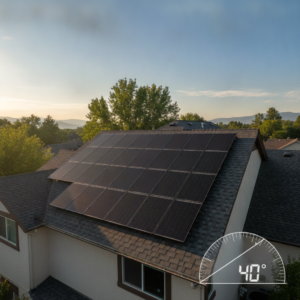
Your solar panel tilt angle silently steals – or delivers – power every single day. Here’s how to stop guessing and start optimizing.
Solar panels are the starting point of every solar power system.
They capture energy from sunlight and convert it into electricity your system can store and use.
Whether you’re building a small RV setup, a home backup system, or a full off-grid power system, understanding how solar panels work is the first step.
In this section you’ll learn:
• how solar panels produce electricity
• how to choose the right panel wattage
• how panels connect to charge controllers
• how to size solar panels for your system
• how to maximize solar performance
Start with the guides below to learn how to build a reliable solar power system step by step.
Your solar panel tilt angle silently steals – or delivers – power every single day. Here’s how to stop guessing and start optimizing.
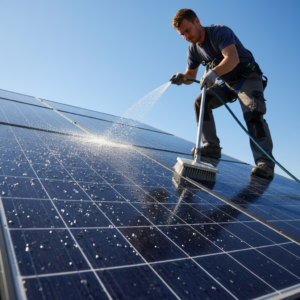
Most solar panel cleaning advice is expensive snake oil. Here’s what actually improves performance versus what just empties your wallet.
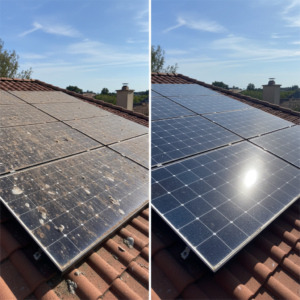
That film on your panels isn’t just ugly-it’s costing you serious watts. Here’s the simple truth about when cleaning matters.
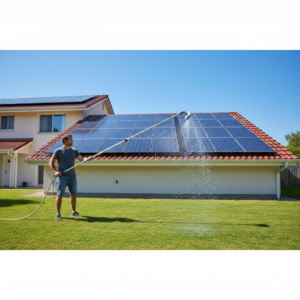
Dirty panels lose 20% efficiency, but most cleaning advice is wrong. Here’s what actually works without the drama.
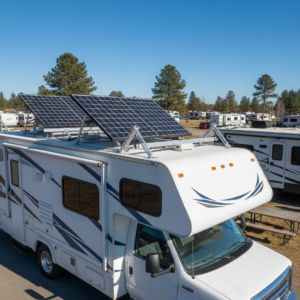
RV solar tilt brackets promise 30% more power but cost serious money. Here’s the real math on whether they’re worth it for actual camping.
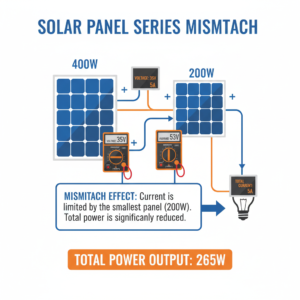
Mixing different solar panels can kill your power output. Learn why panel mismatch creates bottlenecks and how to combine different panels safely.
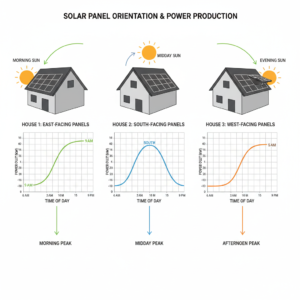
South-facing panels aren’t always best. East and west orientations often match your power needs better despite lower total production.
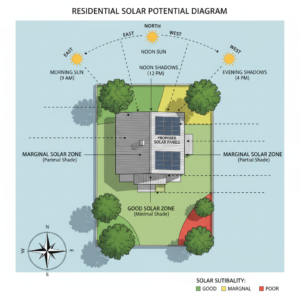
Learn to map your property’s sun zones and avoid costly solar panel placement mistakes. DIY tools and techniques included.
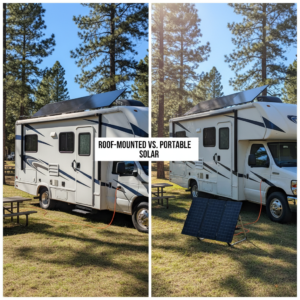
Compare permanent roof-mounted vs portable ground solar panels for your RV. Learn costs, installation, and performance differences to choose the best setup.
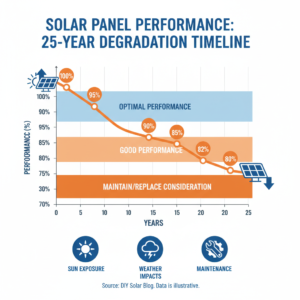
Solar panels degrade 0.5-0.8% annually, retaining 80-87% capacity after 25 years. Learn what to expect and how to maximize your investment.